
New products for Okinawa resort weddings
Rukyu Dynasty Wedding Ceremony
The "Gyokuza-kon (royal throne wedding)"

New product for Okinawa resort weddings.
The Ryukyu Dynasty's "Emperor Seat Wedding" has appeared
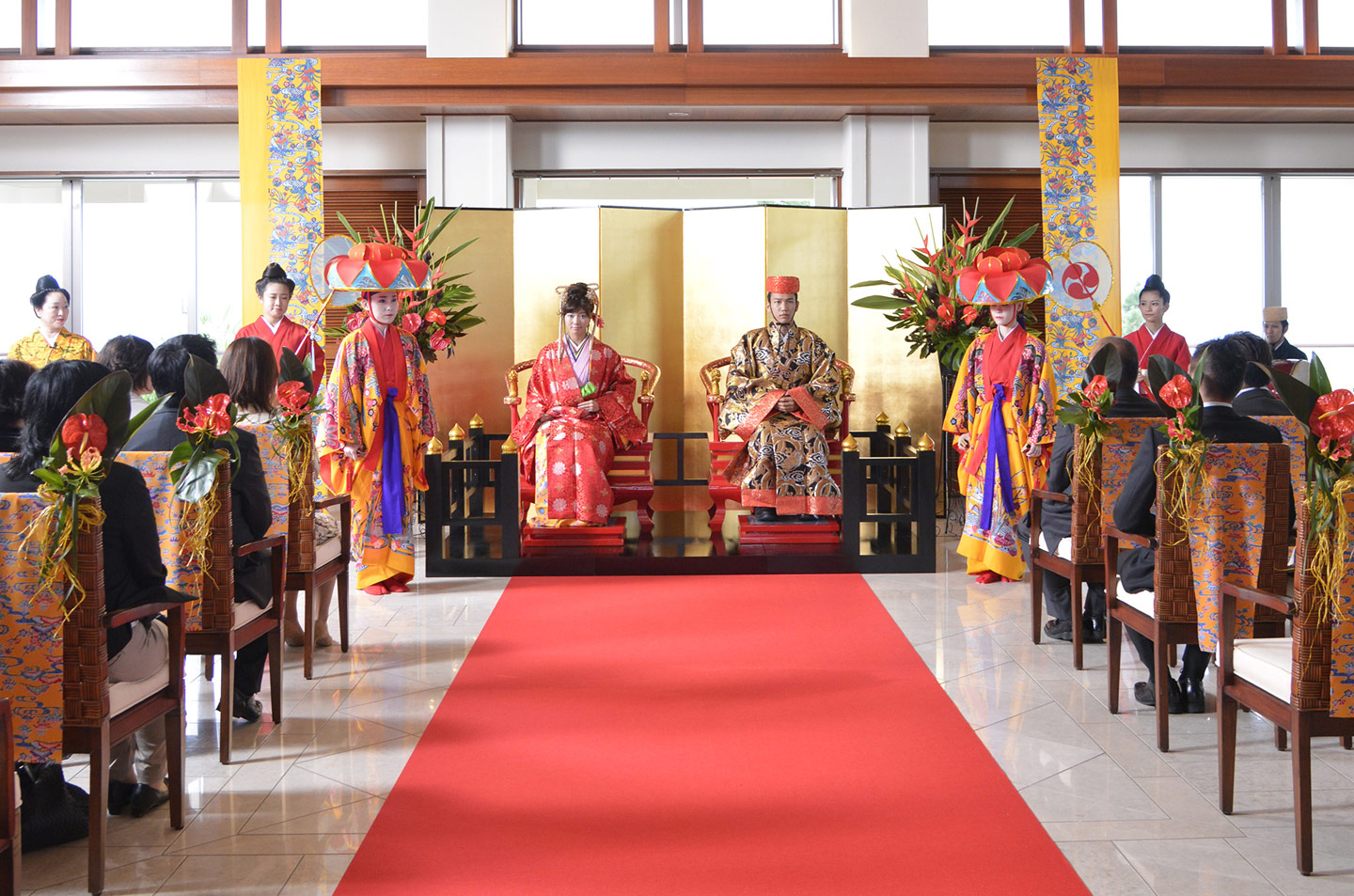
With support from the FY2014 supplementary budget’s Hometown Specialty Promotion Program, four companies in the prefecture developed and showcased a mock wedding ceremony for the “Yatsuo-no-Hana” wedding product for new resort weddings in Okinawa. It was held at the Manoku-tsu Liangkan in Nago City.

What is the Ryukyu Dynasty wedding ceremony called "Yamatatsu no Hoshi"?
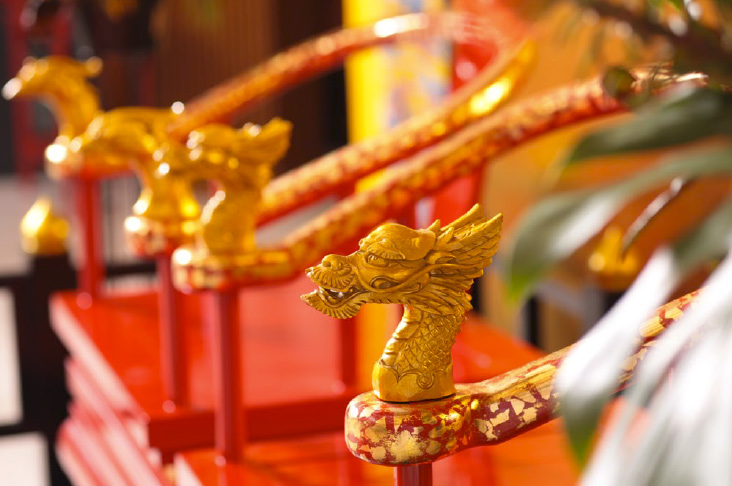
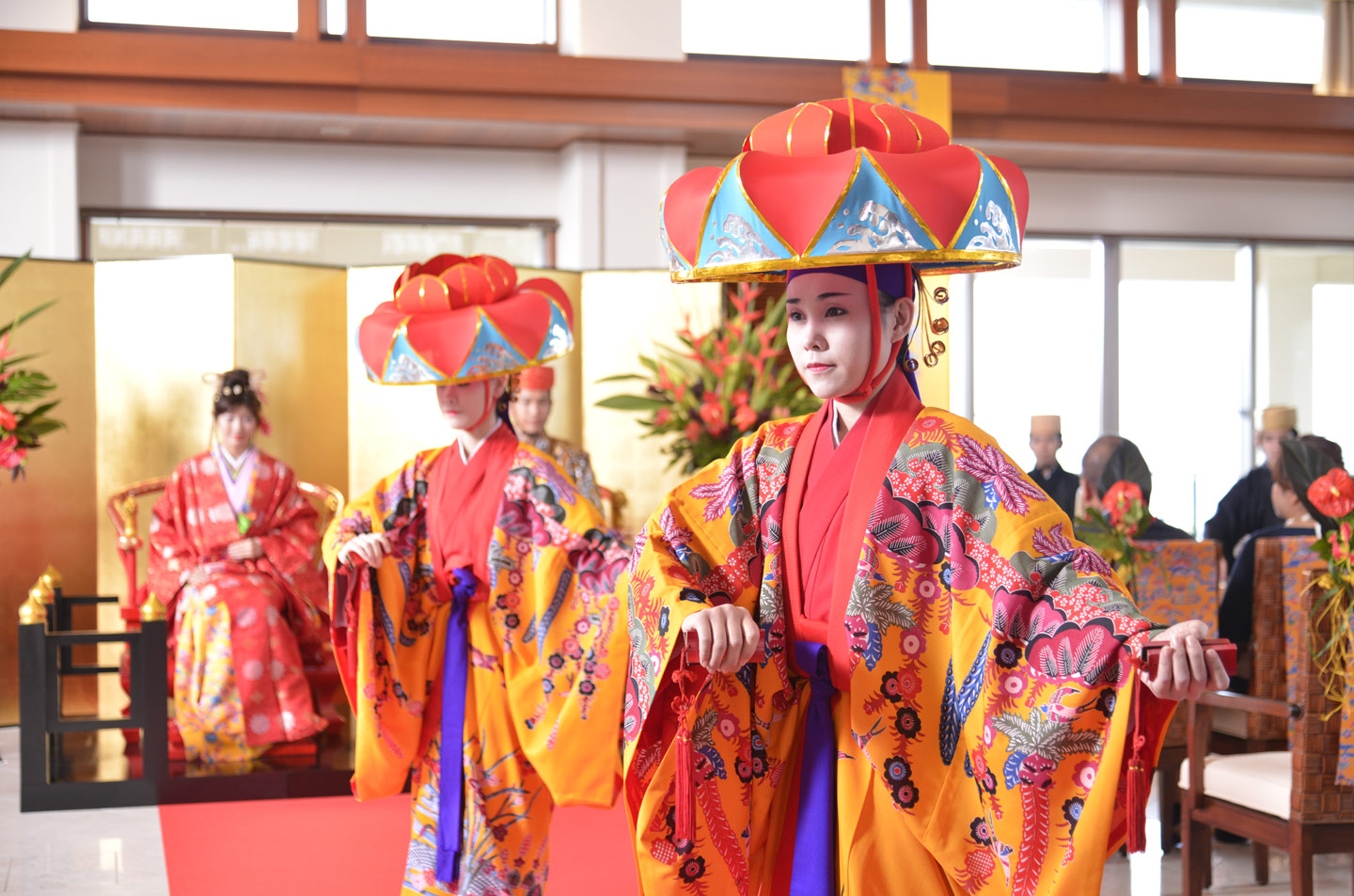
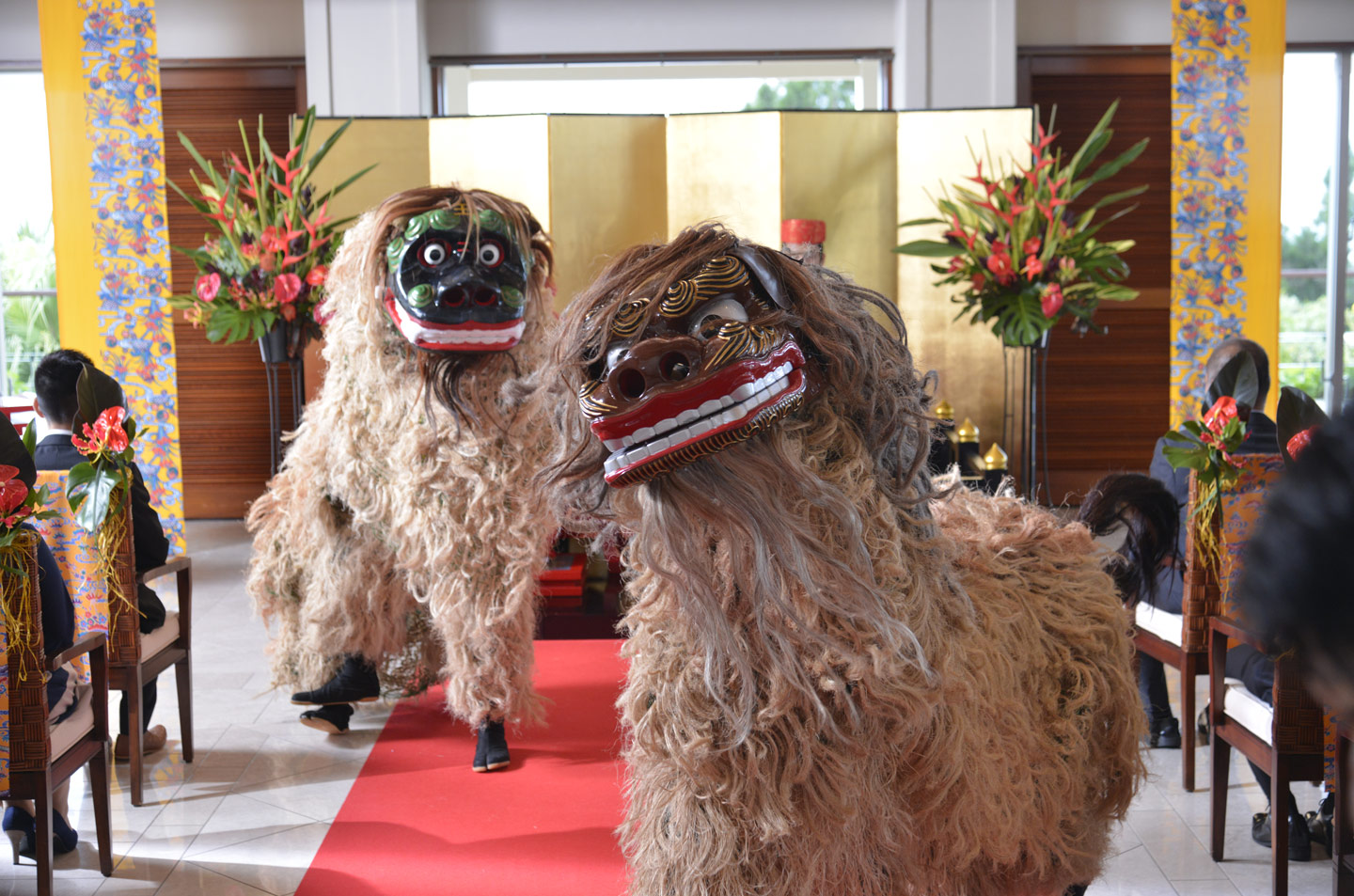
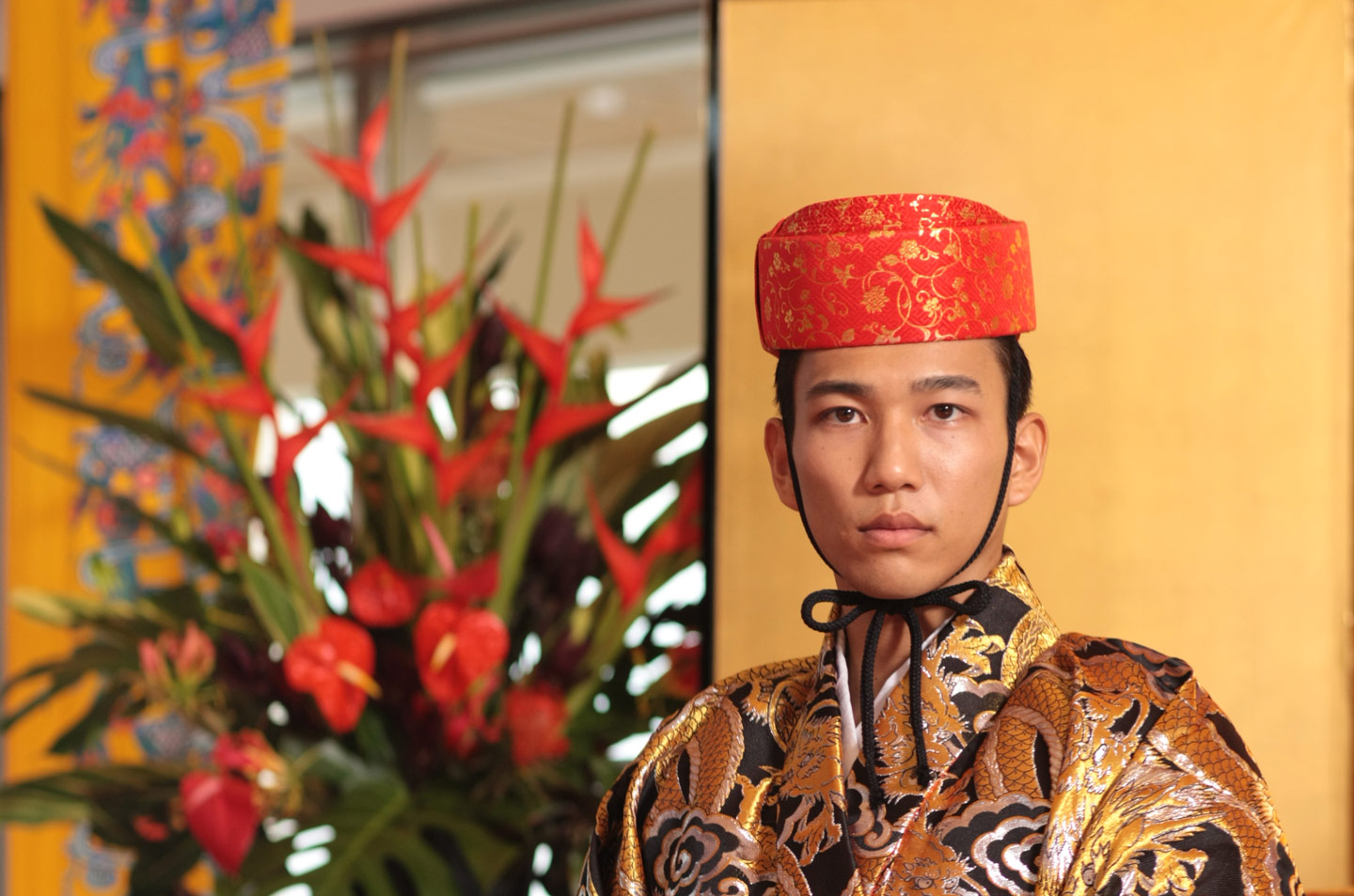
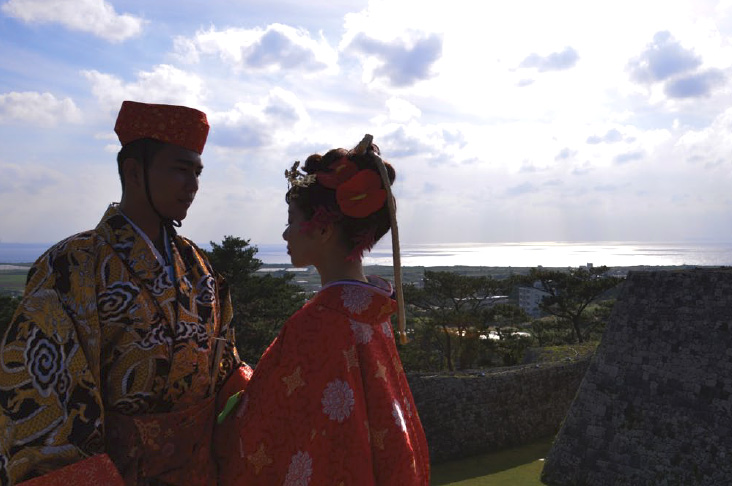
From the Gusu of the Ryukyu Kingdom and related heritage sites and cultural scenic spots, dressed in the costumes of the Ryukyu Kingdom and the Queen. A premium experience where the bride and groom vow their wishes to the "throne" of Ryukyu, wishing for the prosperity of their happiness. It is a Ryukyu Dynasty wedding ceremony. The highlight is the wedding ceremony featuring an original throne stage made from Ryukyu pine trees and an entertainment performance. It will be sold as a new wedding content for Okinawa resort weddings, aiming to revitalize the market and the region.
Utilizing local resources
High-value-added weddings
It has chapel facilities, which account for the majority of Okinawa resort weddings that grow in popularity every year. In collaboration with 3 municipalities (Kitamura Village, Onna Village, and Nago City), the three municipalities have beautiful beaches, including World Heritage Sites We utilize the industrial resources recognized by Okinawa Prefecture, which include the Gusu of the Ryukyu Kingdom and related heritage sites, cultural scenic spots, specialty products, and traditional cultural and performing arts.